Pickleball has become a popular social and competitive sport, attracting players of various ages and skill levels. As more people join the courts, understanding pickleball etiquette is essential for ensuring an enjoyable experience for everyone involved. Knowing the unwritten rules can help players maintain respect and sportsmanship, fostering a positive atmosphere.
Good etiquette includes simple practices like respecting court time and being courteous to opponents. For instance, waiting for your turn to play and allowing space for novice players to learn can make a significant difference. Practicing good sportsmanship, including being gracious in victory and defeat, enhances the game for all participants.
By embracing proper etiquette, players contribute to a welcoming community that encourages teamwork and camaraderie. Adopting these guidelines helps ensure that everyone has a great time on the court, making each match more enjoyable and fulfilling.
The Basics of Pickleball Etiquette
Understanding proper etiquette is essential for a positive experience on the pickleball court. Being aware of the layout and following the rules fosters respect and enjoyment among players.

Understanding the Court Layout
A standard pickleball court is 20 feet wide and 44 feet long for doubles play. Players should familiarize themselves with the lines: the baseline, service lines, and non-volley zone (the kitchen).
Court Rules:
-
Players should stay within their designated areas during play.
-
Waiting for a point to end before stepping onto the court is vital.
-
If a ball from another court rolls onto the playing area, players should call out "Ball!" to ensure safety.
Respecting the court layout encourages smooth play and helps avoid accidents.
Rules and Scoring
Pickleball scoring can be a bit unique. Games usually play to 11 points, needing a win by at least two. Service rotates among players after each game.
Key Points:
-
Players should announce the score before serving.
-
Faults, such as foot faults or hitting out of bounds, should be recognized and managed respectfully.
-
When serving, the ball must be hit underhand and below the waist.
Understanding these rules contributes to maintaining a respectful and enjoyable environment for all participants.
Before the Game
Preparation before the game is essential for ensuring a respectful and enjoyable environment. Proper attire and equipment enhance performance, while warm-up courtesy sets a positive tone for play.

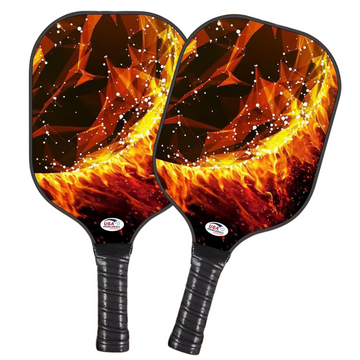
🏓Don’t just play—play smart. The right paddle makes all the difference
Proper Attire and Equipment
Wearing appropriate attire is vital in pickleball. Players should choose comfortable athletic wear that allows for unhindered movement. Footwear is equally important. Court shoes designed for indoor sports provide the grip and support necessary to prevent slips.
Do’s:
-
Wear moisture-wicking shirts and shorts.
-
Use court-specific shoes.
Don’ts:
-
Avoid wearing casual shoes like sandals.
-
Refrain from using overly loose clothing that could cause safety issues.
Additionally, bringing the right equipment, such as a paddle and balls, demonstrates readiness and respect for fellow players.
🎒The right pickleball bag keeps your gear safe, sorted, and court-ready
Warm-Up Courtesy
Before starting the game, engaging in a brief warm-up can greatly enhance performance. Players should take just a few minutes to stretch and practice shots. This not only prepares the body but also fosters camaraderie.
Do’s:
-
Invite teammates to join in warm-up drills.
-
Call out the shots you intend to make to communicate effectively.
Don’ts:
-
Avoid monopolizing the warm-up area or time.
-
Steer clear of overly competitive play during this period, which can increase tension.
By adhering to these practices, players can ensure a friendly atmosphere and enhance their overall pickleball experience.
Starting the Game
Beginning a pickleball match requires attention to specific rituals and respect for opponents. Following proper etiquette fosters a positive atmosphere and ensures that everyone enjoys the game.
Serving Rituals
Before serving, it's vital to establish a clear routine. The server should announce the score to ensure all players are aware. This includes calling out the score in the format of "server's score, opponent’s score."
Once the score is confirmed, the server should position themselves behind the baseline. It's common courtesy to wait for opponents to be ready before initiating the serve. A simple nod or verbal acknowledgment can signal readiness.
Additionally, the server needs to serve the ball underhand, ensuring it clears the net and lands in the diagonal service court. Maintaining a consistent serving routine can also help players focus.
Respecting Opponents
Respecting opponents promotes a friendly game. Players should avoid talking during a serve or while an opponent prepares to hit the ball. Silence allows for concentration and minimizes distractions.
After a rally, players should acknowledge each other, whether through a simple nod or a friendly comment. This type of interaction fosters camaraderie and sportsmanship.
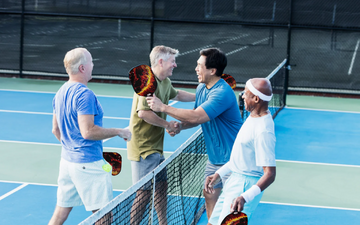
Moreover, if a player accidentally disrupts a point, they should quickly apologize. Taking responsibility for mistakes can help maintain a positive environment. It’s important to always shake hands at the conclusion of a match, reinforcing respect for both competitors.
During the Game
Maintaining proper etiquette during a pickleball game enhances the experience for everyone involved. Attention to specific behaviors can improve interactions between players and create a positive atmosphere.
Calling the Lines
Players should always make line calls with honesty and clarity. If a ball lands near the line, the player closest to it should call it either in or out. It’s crucial to communicate promptly to avoid confusion.
-
Do's:
-
Call the lines accurately.
-
Use a clear voice to minimize misunderstandings.
-
Don'ts:
-
Avoid making calls from a distance.
-
Never argue about line calls; respectful discussion is key.
Respecting this aspect of play helps all participants enjoy the game and fosters trust on the court.
Maintaining Focus
Staying focused during the game is essential for performance and enjoyment. Players should avoid distractions and remain engaged with the current point.
-
Do's:
-
Keep conversations to a minimum once the game starts.
-
Remain aware of the score and the position of other players.
-
Don'ts:
-
Don't use mobile devices during play, as it interrupts concentration.
-
Avoid excessive celebrations or complaints that can disrupt the flow.
Creating a focused environment ensures that everyone can play at their best while keeping the game enjoyable.
Communicating with Teammates and Opponents
Effective communication on the pickleball court enhances player experience and maintains a positive atmosphere. It involves clear exchanges between teammates and a respectful rapport with opponents.
Positive Interactions
Encouraging words can uplift teamwork and boost morale. Simple phrases like “Nice shot!” or “You’ve got this!” can foster a supportive environment.
Using hand signals can also enhance communication without disrupting the game. For instance, a raised hand can indicate "I got it!" when going for a ball.
It's crucial to maintain eye contact, especially during play transitions. This ensures everyone is on the same page and minimizes confusion.
Creating a friendly atmosphere encourages players to be more open and engaging. They are more likely to enjoy the game and build lasting relationships.
Handling Disagreements
Disagreements can arise during matches, but it’s important to address them calmly. If a point is contested, players should remain respectful and express their viewpoints clearly.
Using "I" statements can help in discussing issues. For example, saying “I saw it hit the line” is less confrontational than “You were wrong.”
Maintaining a cool demeanor is vital. When tensions rise, stepping back to breathe and reassess the situation aids in finding a resolution.
In cases of disputes, seeking a neutral third party can help mediate without escalating the issue. After all, the goal is to keep the focus on enjoying the game.
Taking Breaks and Timeouts
Understanding the appropriate times for breaks and timeouts can enhance the pickleball experience. Following proper etiquette during these moments ensures respect between players and keeps the game enjoyable.
Etiquette for Rest Periods
When taking a break, players should communicate clearly. A simple hand signal or verbal announcement allows everyone to understand the pause.
Do's:
-
Inform Others: Notify fellow players before halting play.
-
Stay Hydrated: Use breaks to drink water and rehydrate.
-
Respect Time: Limit the duration of breaks to avoid disrupting the flow.
Don'ts:
-
Avoid Long Pauses: Excessive downtime can frustrate opponents.
-
Don’t Distract Others: Keep conversations minimal and avoid disruptive behavior.
-
Ignore the Game: Remain aware of the match's progress, so re-entering is timely.
By adhering to these practices, players can maintain a friendly and respectful atmosphere on the court.
Safety on the Court
Safety is paramount in pickleball, ensuring that all players enjoy the game while minimizing the risk of injuries. This section discusses key practices for avoiding injuries and managing interruptions effectively.

Avoiding Injuries
To prevent injuries on the court, players should warm up before games. Simple stretches can prepare muscles and reduce strain. Safety gear, such as knee pads or court shoes, can also provide additional protection.
Players must be aware of their surroundings. Keeping an eye on other players and avoiding collisions is crucial. Staying within the designated playing area helps maintain a safe environment.
During play, players should communicate clearly. Simple phrases like “Mine!” or “You got it!” can prevent misunderstandings. Taking breaks when fatigue sets in is important, as exhaustion can lead to accidents.
Interrupting Play
Interrupting play can be necessary for safety, but it must be done with courtesy. Players should raise their hands or call out loudly if there's a concern, ensuring everyone hears. This simple action can prevent misunderstandings and keep the game fluid.
If a player needs to stop the game due to an equipment issue or personal discomfort, they should signal as soon as possible. A quick pause and clear communication help maintain a respectful atmosphere.
Players should always be mindful of others’ safety. When a ball goes out of play, returning it quickly and safely is essential. This helps avoid disruptions and keeps everyone focused on the game.
After the Game
Post-game interactions are an essential part of pickleball etiquette. They help maintain a friendly atmosphere and promote sportsmanship among players. Understanding the proper ways to conclude a game can enhance the experience for everyone involved.
Post-Game Handshake
A post-game handshake is a simple yet significant gesture that shows respect among players. After the match, players should approach each other for a brief handshake or fist bump. This act acknowledges the effort put in by all participants.
Do's:
-
Initiate the handshake. It’s polite for the winning player to offer their hand first.
-
Smile and express gratitude. A friendly comment about the game goes a long way.
Don'ts:
-
Avoid skipping the handshake. Not participating can seem disrespectful.
-
Don’t dwell on the outcome. Focus on celebrating the game, not just the score.
Leaving the Court
Properly leaving the court is another vital aspect of post-game etiquette. Players should exit the playing area with courtesy and consideration for those waiting to play.
Do's:
-
Clear the court promptly. After shaking hands, players should gather their belongings and leave.
-
Compliment opponents. A simple remark about good plays keeps spirits high.
Don'ts:
-
Don’t linger excessively. Staying too long may disrupt the flow for those wanting to play next.
-
Avoid negative comments. Keep conversation positive and encouraging to create a welcoming environment.
Adhering to these guidelines ensures a positive experience for everyone involved in the game.
Organizing and Rotating Games
Effective organization and proper rotation during pickleball games enhance the experience for all players. Attention to court rotation and promoting fair play ensures everyone gets a chance to participate and enjoy the game.
Court Rotation Rules
When organizing games, establishing clear court rotation rules is essential. Typically, players take turns every game or after a set number of points, ensuring everyone gets equal playing time.
A common practice is to rotate teams after each game. For instance:
-
Winning Team Stays: The winning team remains on the court.
-
Losing Team Rotates: The losing team steps off, allowing waiting players to take their place.
Players should communicate politely, indicating when it’s their turn to play, and always be mindful of the time spent both on and off the court. Ensuring smooth transitions keeps the games flowing.
Fair Play and Inclusivity
Emphasizing fair play and inclusivity is crucial for a positive environment. Players should engage in friendly competition while respecting each other's skill levels.
To foster inclusivity, consider these tips:
-
Mix Players: Regularly switch team members to help players meet and learn from one another.
-
Encourage New Players: Make sure everyone feels welcome, especially newcomers who may need guidance.
Creating a supportive atmosphere helps build confidence and enhances the enjoyment of the game. Remember, pickleball is about fun and connection as much as competition.
Improving Your Game
Improving in pickleball takes practice and a few strategic adjustments. Here are some key points to focus on:
-
Practice Regularly: Consistency is vital. Set aside time each week to hone specific skills.
-
Watch Skilled Players: Learning from experienced players can provide new techniques and strategies.
-
Work on Footwork: Good footwork is essential for getting into position. Drills that enhance agility can be beneficial.
-
Communicate with Teammates: Clear communication on the court can improve teamwork and lead to better plays.
-
Focus on Serving: A strong serve sets the tone for the rally. Try different types of serves to keep opponents guessing.
-
Stay Positive: Maintaining a positive mindset can enhance focus and resilience during games.
Tips for Skill Development
Skill Focus Areas:
-
Serving - Experiment with different types of spins to add variety and keep your opponent guessing.
-
Returning - Focus on positioning yourself early to get ahead of the ball and set up strong returns.
-
Dinking - Practice soft, controlled shots to improve your touch and finesse at the net.
-
Volleys - Sharpen your reaction time through drills and quick exchanges.
Regularly revisiting these areas will contribute to noticeable improvement. Setting achievable goals can make the process more enjoyable and rewarding.